China(town)Chronicles
The Host
Guru Ramanathan
Hello and welcome to Found in Translation. I'm your host Guru Ramanathan and this is a podcast where we talk to people who are first, second gen, or immigrants about their relationship with their cultural language and how that has influenced their relationship to their culture, family, friends, and more.
This week's guest is Boying Tang, who shares how her experience living in Chinatown in New York City and the influence of Chinese media affected her cultural identity and perception of Asian American media representation at large. She also dives into the nuances of learning Mandarin, going to Chinese school, and her preferences communicating between Mandarin and English. Hope you enjoy!
The Guest
Boying Tang
I was born in China as a Chinese citizen, and then I moved to New York City when I was five on a green card through my dad.
And, from until I was 10, I grew up in the Lower East Side, but then we moved to Chinatown and then I grew up there. Until I moved to Seattle in 2020 for work.
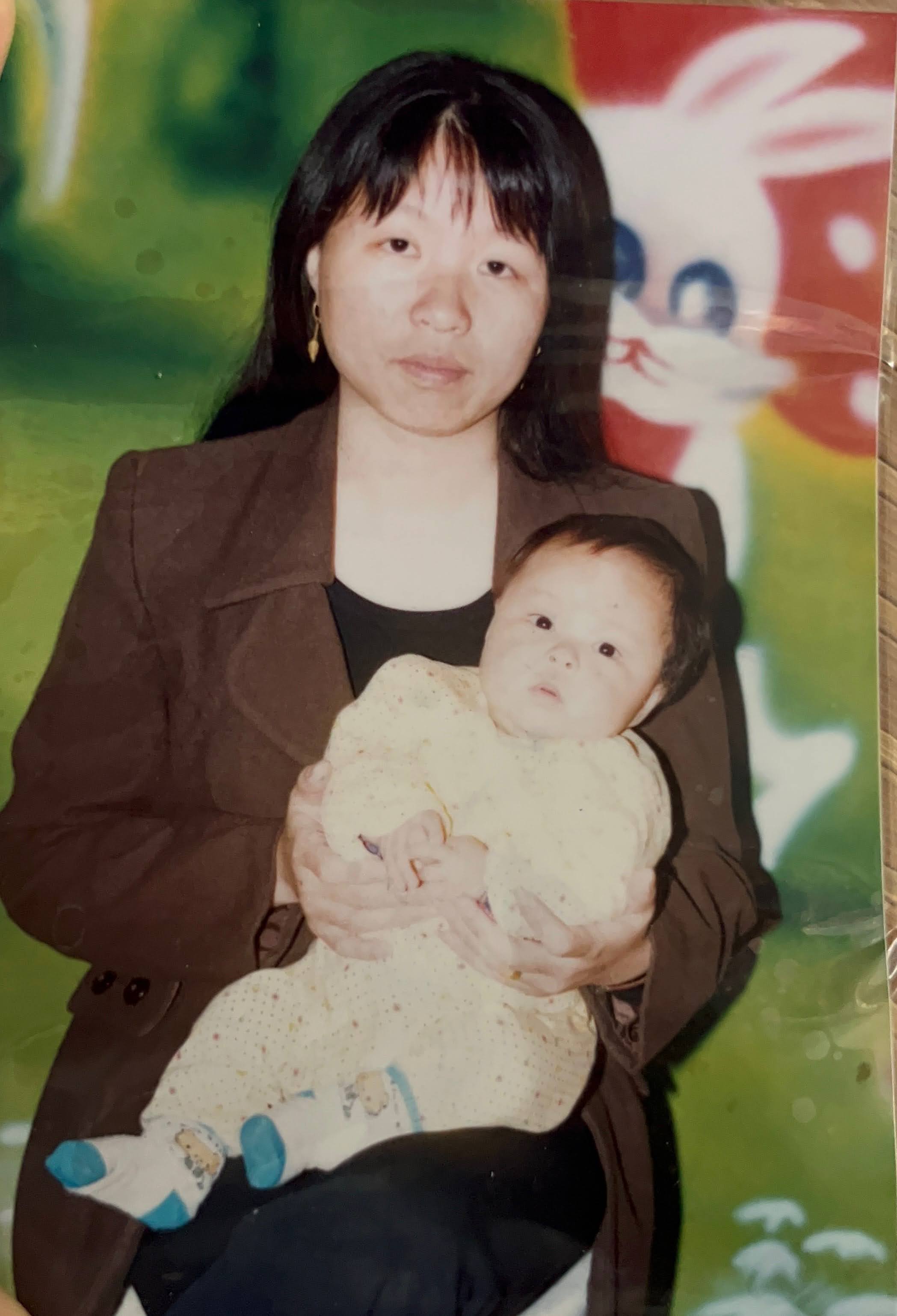
Baby picture with her mom
Yeah. Are you still a Chinese citizen?
Oh, I did get my citizenship in the United States. I went on a trip to Italy with my friend. And I found the visa process to be a hassle. So, I did finally go and get my United States citizenship. Woo!
Yay! Congrats! I would love to start going back to your childhood. Could you share more about what your connection with your language with the, actually wait, sorry. Also, for the language that you're speaking.
So, do you specifically speak, I know we're talking about Chinese, but is it specifically Mandarin or is it a different dialect of Chinese?
I did predominantly speak Mandarin Chinese growing up, but my family is from a province called Futian, and maybe it's only interesting to me, but the province Futian has a dialect. It's called Minnan Hua. But then, where specifically I'm from, my family's from, it's Fuzhou. The city is called Fuzhou, and we speak an entirely different dialect from the rest of the province. So, I grew up speaking mostly Mandarin because the media that was being consumed was a lot of Mandarin. But, at home with my grandparents, they would speak a lot of Fuzhou. So, I am able to have some limited comprehension of Fuzhou, too. It's mainly Mandarin Chinese.
Okay, cool. Jumping into your childhood, could you talk about what your connection with Mandarin Chinese, other dialects, just overall how that played out as you were growing up in the city?
Yeah. I think living on the Lower East Side, there wasn't that much Chinese. But, at home we would speak Mandarin Chinese.
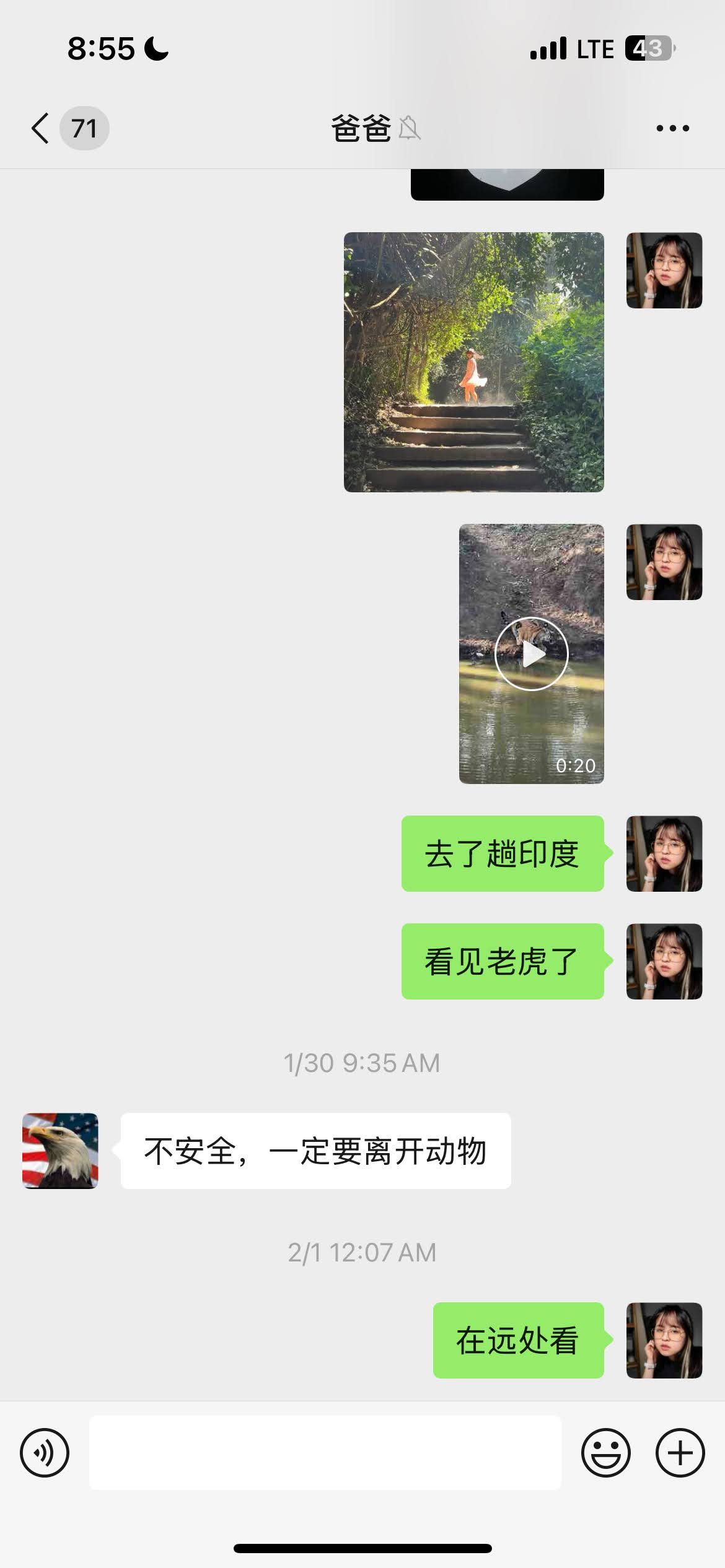
I would speak Mandarin Chinese to my grandparents, to my mom. My dad, he's mute and deaf. I used to know a little bit of sign language when I was younger, but definitely like these days, not really. But, the primary way we would communicate was through writing.Which I am very bad at because these days you have pinyin, which is like the Romanized pronunciation of Chinese. It's hard to communicate with them casually because he likes to write, and his writing looks like trick and scratch to me, so I don't understand what he's writing.
And then he's not very good about taking out his phone to type it out. Growing up in the Lower East Side, that was maybe the extent of my Chinese exposure. And then, once we moved to Chinatown, obviously everything around us was in Chinese.
And let me specify here, in Chinese actually, it's gonna be Mandarin, it's gonna be Fuzhou, and then it's also gonna be Cantonese. So, I grew up in Chinatown with a lot of influences from all three languages.
But culturally, it's just Fuzhou. Fuzhou and Cantonese. Because a lot of the Fuzhou people will speak Mandarin.
Text messages with her dad
And can you remind me again what age you were when you had moved here?
I moved to New York when I was five, and then when I was 10 we moved to Chinatown.
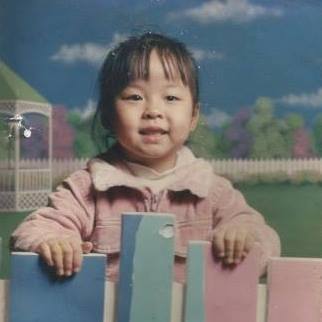
Toddler in China + Preschool in America
So for me, when I had moved at three, the language my parents spoke at home was Tamil, which is a language from Southern India.
When I started to go to school, it was a very interesting experience because I was trying to learn English and American customs, and just how American kids walked and talked and played and whatever.
And, I can't fully describe it anymore 'cause it almost feels like a bit of a fever dream. But, what was that like when you were growing up in that sort of young age? Were you also learning English in school and taking classes, or were you going to a school that was predominantly around other Chinese speakers, or how did that work?
I remember when I started school, I don't remember if it was pre-K or kindergarten, but I'm assuming it was kindergarten.
But, I think at school is where I would predominantly be learning English and just getting integrated into American culture. And, I think I do remember that one of my teachers was probably Chinese, so that helped me out a bit in just getting used to the environment.
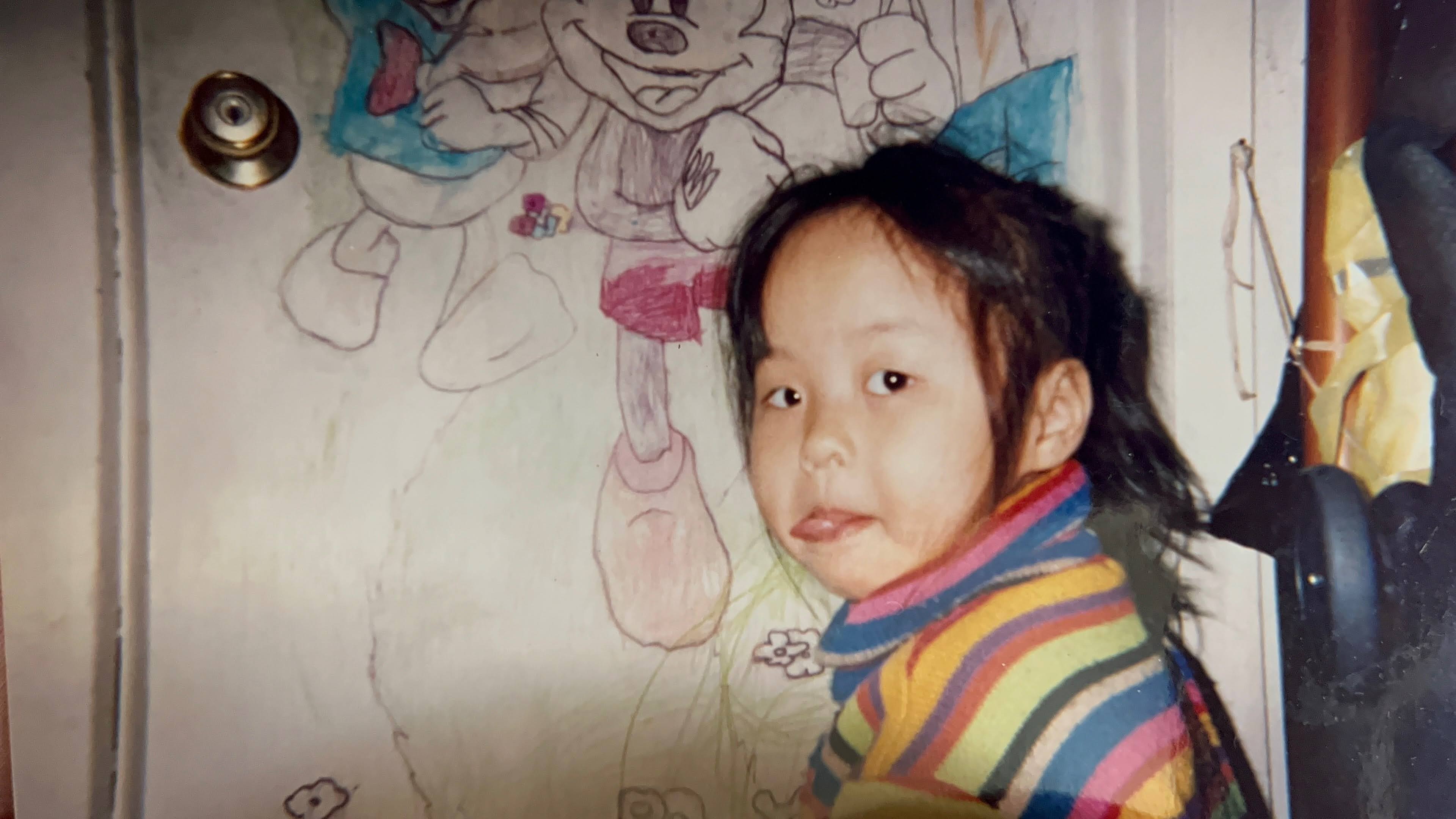
In elementary school, I had a hard time expressing myself because I just didn't know as many words in English as I did in Chinese. I remember one time in after school, I thought I was having a fever, and then the only way I knew how to describe it in English was my head was hot. And, I don't think they understood.
I'm not sure they understood my concerns that I was having a fever.
Elementary school
Yeah. Yeah. At what age did you feel like you had a good understanding or proficient grasp of English?
That's a good question. I can't say I can answer that for certain because that head hot incident felt definitely it wasn't the first year, but maybe a year or two in if I had to make a guess.
Yeah.And, as you were like learning, I feel like for you, it was great that you were living in Chinatown and still immersed around other Chinese speakers outside of your household. How did you feel about balancing the knowledge and practice of both languages as you were growing up?
I actually think that there was an imbalance with my knowledge of, not necessarily the language, but culturally I feel as if my childhood was extremely Chinese. Because I, at that point in time, I think I was influenced a lot by my cousins or what kind of media they consumed.
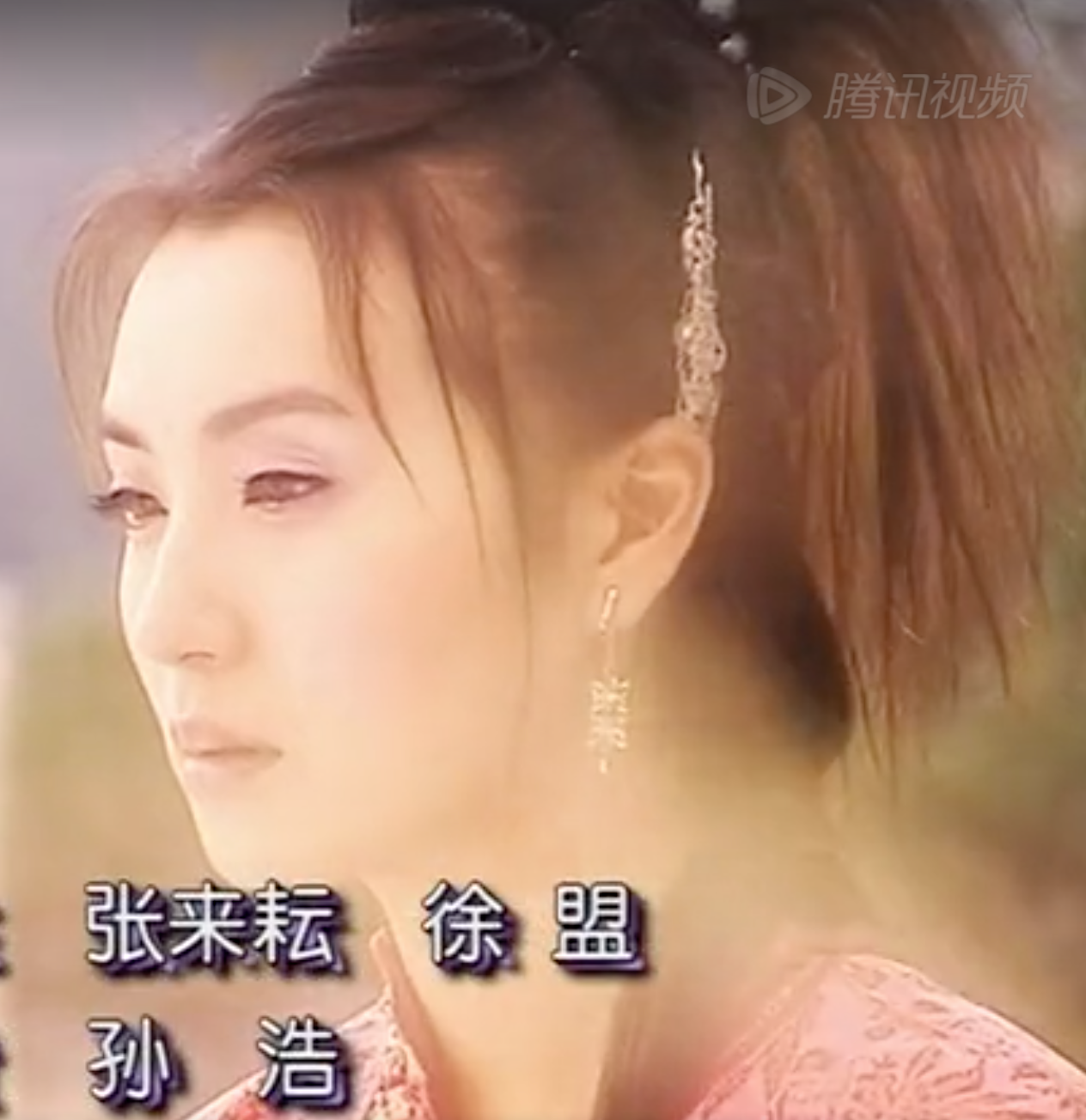
And I just read a lot of Chinese books, played Chinese games, and watched Chinese variety shows and TV shows. I did not watch a lot of things that American kids my age would have done.Do you have any favorite Chinese shows, books, music? I guess was there anything from that specific era of your life that was very impactful or influential for you?
I don't know if I'd say impactful and influential, but they're definitely like very nostalgic for me. The type of people who would be similar to me are people who probably came to America when they were in middle school or high school.
So they grew up for a bit in China and then they came to America. So, they still hold on to the kind of things they like from China. It is really nice for me to bond with them over that. It's like a time capsule.
Chinese stars

I feel like for a lot of immigrant or first-second gen kids, I don't think now since there's the advent of streaming, but I think for anyone who was growing up in the 90s and maybe even early-mid 2000s, I feel like there was a bit of a disconnect with how we were getting access to pieces of media from our culture.
Since you seem to have a lot of access to it, in retrospect, how do you think that was informing your identity as a Chinese person?
I think, in hindsight, even though I felt very connected and very accessible to all the Chinese culture, I think it was still very like an American version of being Chinese in America. I don't know if that makes sense.
When your parents come to America, their values and their knowledge of their homeland gets stuck with what they leave behind. And it feels like that in some way.
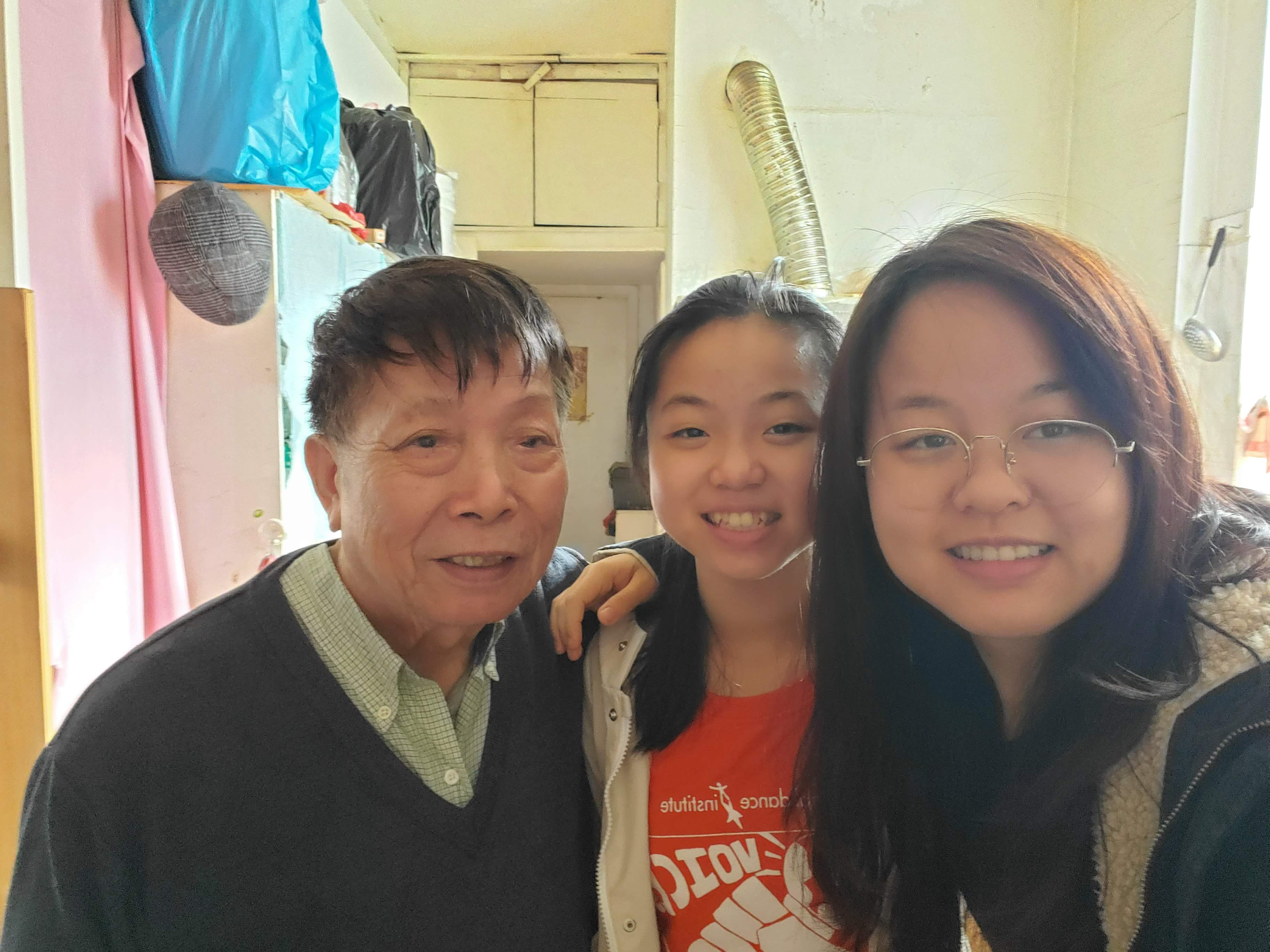
You're getting a very filtered subset of the Chinese media that's being produced in China. So, I feel like I'm more Chinese, a lot more Chinese than a lot of Chinese Americans, like way more Chinese. But, I also don't feel like I am as Chinese as people who grew up in China.Boying with her grandpa and sister
Can you talk a little bit more about how you're measuring that or what you mean by of like... How do you define more Chinese or less Chinese, or what's your measurement there?
But, if I maybe talk to like a Chinese person who came to America for college or for work, they might reference like TV shows that I've never watched before or variety shows that I haven't watched. So. I think that's the gap.
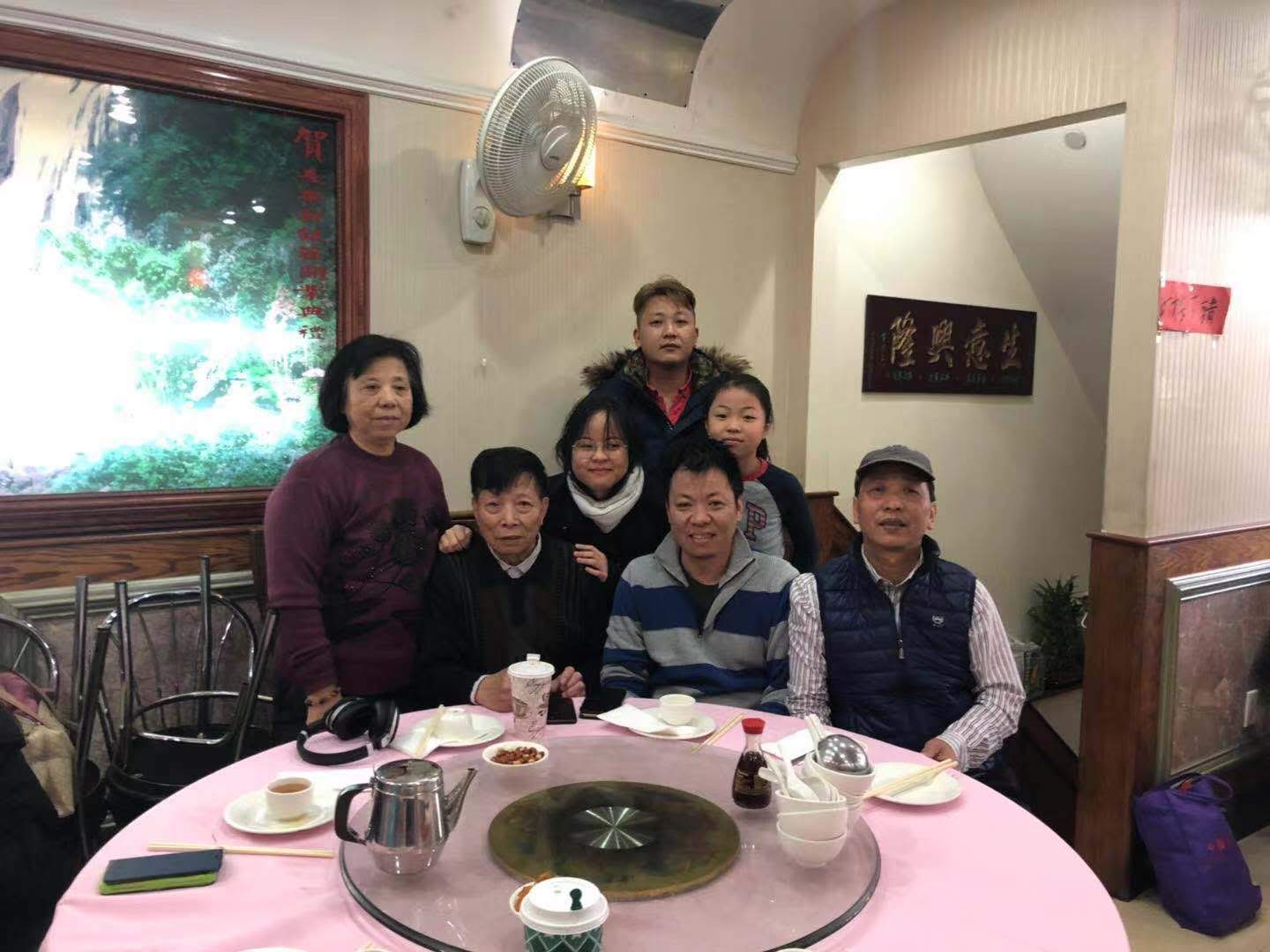
Boying with her paternal family
Have you ever measured that sort of Chineseness in relation to the proficiency of language, like in terms of how much your Chinese American friends know it or don't know it, versus someone who's coming from China?
I've never measured it formally, but I can definitely see that relation in if you're not familiar enough with the language, then you're not as comfortable consuming media in that language.
And, have you ever gotten any comments like that? I and other people I know in a similar situation, I feel like once you spend most of your life in America, like it's very easy to label us as Americanized and such. So, have you ever gotten comments like that, and if so, how do you feel about that or respond to it?
See, I think it's interesting. I don't think I've ever gotten that kind of comment. But, when I interact with Chinese immigrants, I feel like in the beginning they always think that, wow, she can speak Chinese. Your Chinese is so good.
They feel a sense of kinship and probably think that I'm really similar to them. But, I always feel like very different from them and I don't share the same thoughts or upbringing. And, I feel like very, I just feel very different.
But, generally usually the feedback I get from elders is that, wow, your Chinese is so good. How do I get my kid to be as good as Chinese as you are? At least language wise, I've never been considered Westernized, or like American. But, perhaps behaviorally I think I might be more of a loose cannon than some of my other friends.
Okay. Since you're already growing up in Chinatown, I'm not sure if this even like had to come up, but do you guys ever have any specific conversation of, we want you to only talk in Chinese at home? Or, it can be a mix of Chinese and English. Or, were they like loose about how much you were speaking it?
We never had this kind of discussion because they don't know how to speak English. And, I was very fluent in Chinese.
And, when you were going to school, did you have a lot of Chinese friends or were you ever isolated in that regard?
My high school was 75% Asian. So, I did find a lot of friends in high school who had a better grasp of the language. At my level or better, or like a little slightly below my level. So, I was able to communicate with them in Chinese. And, in preparation for this podcast, I was looking through my Facebook wall. And then, I just saw so much Chinese on my Facebook wall of my friends commenting.
It was weird to me how it feels like two different worlds that the people who can speak Chinese will... it always seems almost like an inside joke that there's some jokes we can make in Chinese and the rest of my friends will just not understand. But, in elementary school and middle school, I had Chinese friends, but they weren't that great in Chinese.Very much more American.
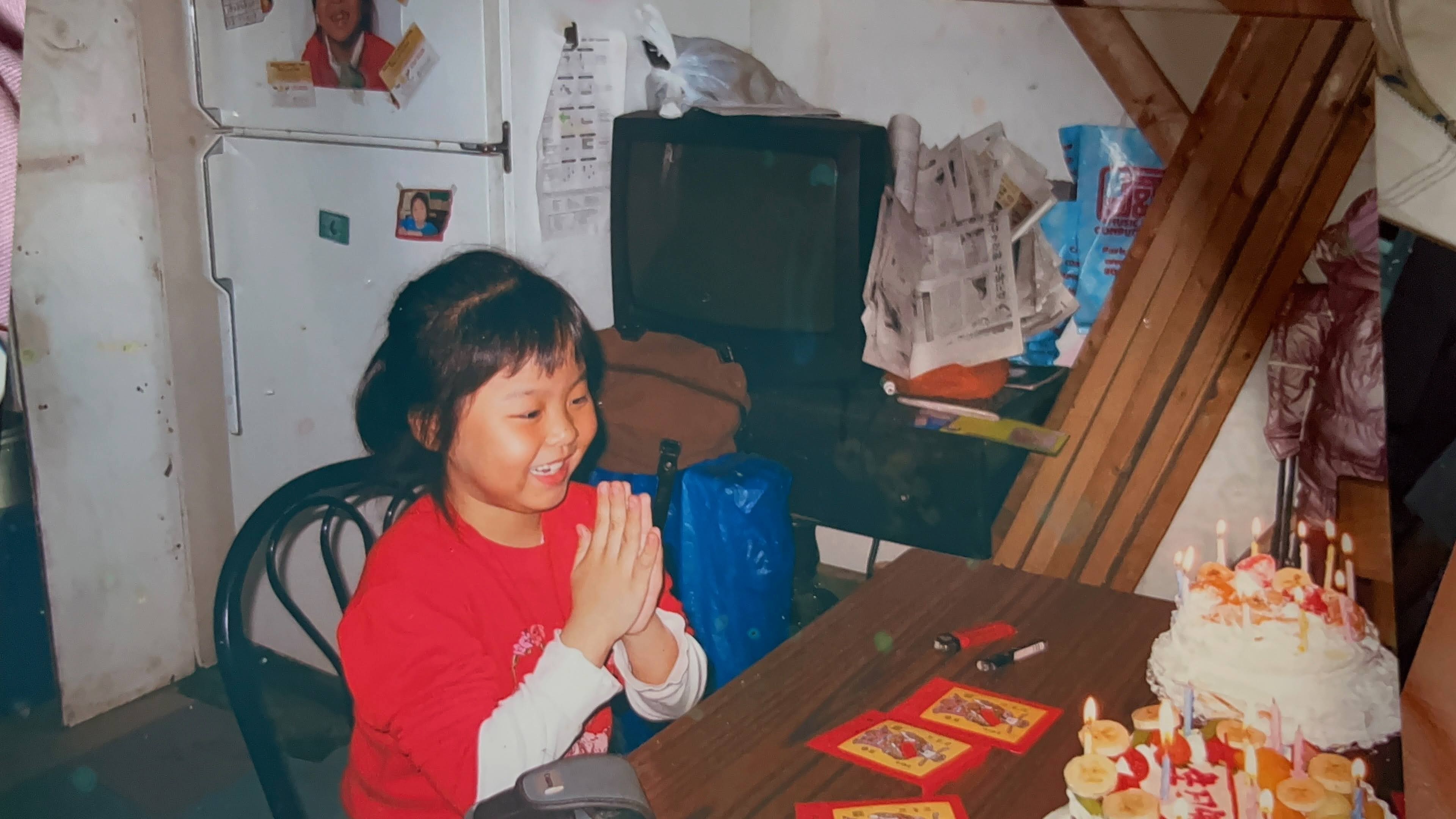
Boying's birthday
Did you ever have to go to one of those weekend Chinese schools?
I did go to Chinese school for a bit. And then when they called my grandpa, he was like, yeah, put her in like the pre-K class or something like that. And so, I went to a lowest level class, even though my Chinese was pretty good. But, I really sucked at pinyin because the tones, I just could not figure out the tones.
So, I was having a really hard time in Chinese class. And then, I think eventually in third grade or something... Not the regular elementary class, but in third grade of Chinese school.
I met a friend who was in my same grade in elementary school who was a year higher than me in Chinese school. So, I went and talked to the principal or something. I was like, I wanna skip a grade.
And I found out she got left back. So, after that I soft quit at Chinese school because I just left like my class with like people that I know to go to this new grade where I didn't know anybody, and I didn't wanna do it. And like my friend wasn't even there anymore. So, I started going to the library instead of going to Chinese school.
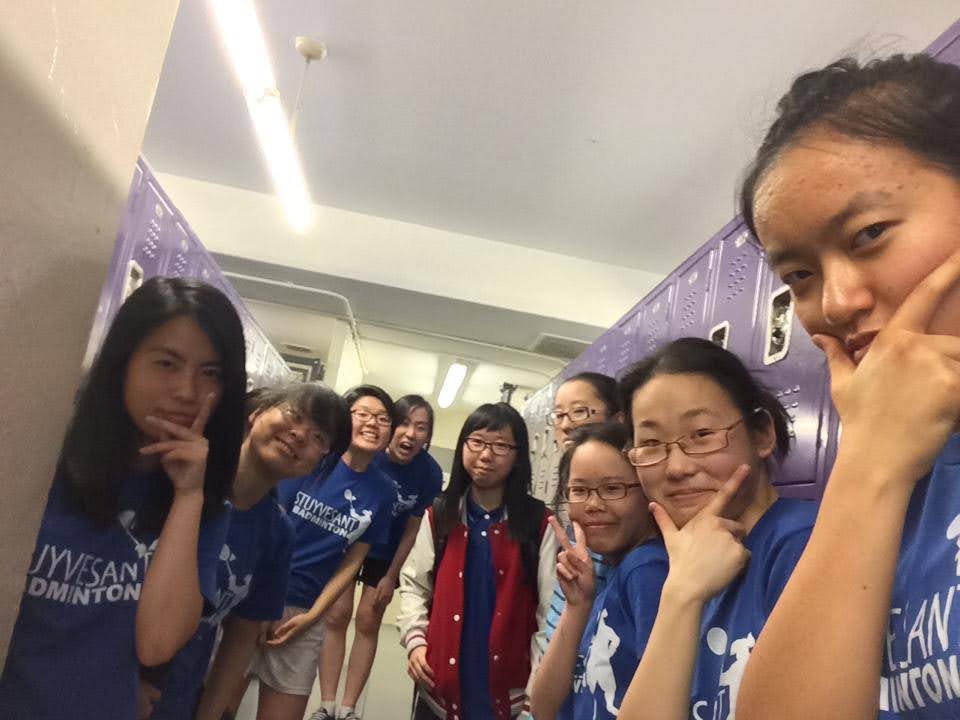
Boying's high school badminton team
Okay. Could you talk about, for someone who's not a Mandarin speaker, just breaking down more of what kind of makes up the language?
How would you approach describing the language or the nuances of it to someone who's not really well-versed in it?
A really helpful thing for me, I guess learning the language, is the concept of radicals. There's like radicals and then there's the rest of the word. And then radicals tell you about the meaning of a word, or like the context of the word.
And the other part of it informs you on how to pronounce the word. So, I think growing up, I was able to read a lot of words and yeah, I think that's like the biggest tip I have for Chinese. There's so many characters in Chinese, but a lot of them are variations of each other and they just have different variables, different radicals.
And if you learn like how to see the base, then you'll learn how to pronounce all of them.
Yeah. Do you have a preference of communicating between Chinese and English?
Yeah. I definitely do. I think I am much more fluent in English and I'm better able to express myself in English.
But, I was talking to a friend prior to the podcast and she feels like it's much more emotional to speak in Chinese 'cause she's better able to express herself in Chinese, and her English is like much more, I would say logical and not as emotional.
But, my Chinese level I'd say is very practical. Fluent, practical. Would not be able to write any essays or no transition words using Chinese.
Yeah. I guess going off what your friend was mentioning, do you notice any subtle or significant personality shifts in yourself between talking in Chinese versus English?
No, I feel like it's a little bit easier to be cute in Chinese because I think that is like a standard. Not beauty standard, but almost like personality standard or expected of like women to be cutesy-soft. I'm trying not to get canceled for this or anything. But yeah, so in America it's a lot more about feminism, girl boss, strong woman.
So, I feel definitely feel when I talk in English, it's probably deeper, more mature. And then, when I talk in Chinese, I feel like it's more acceptable to be cuter.
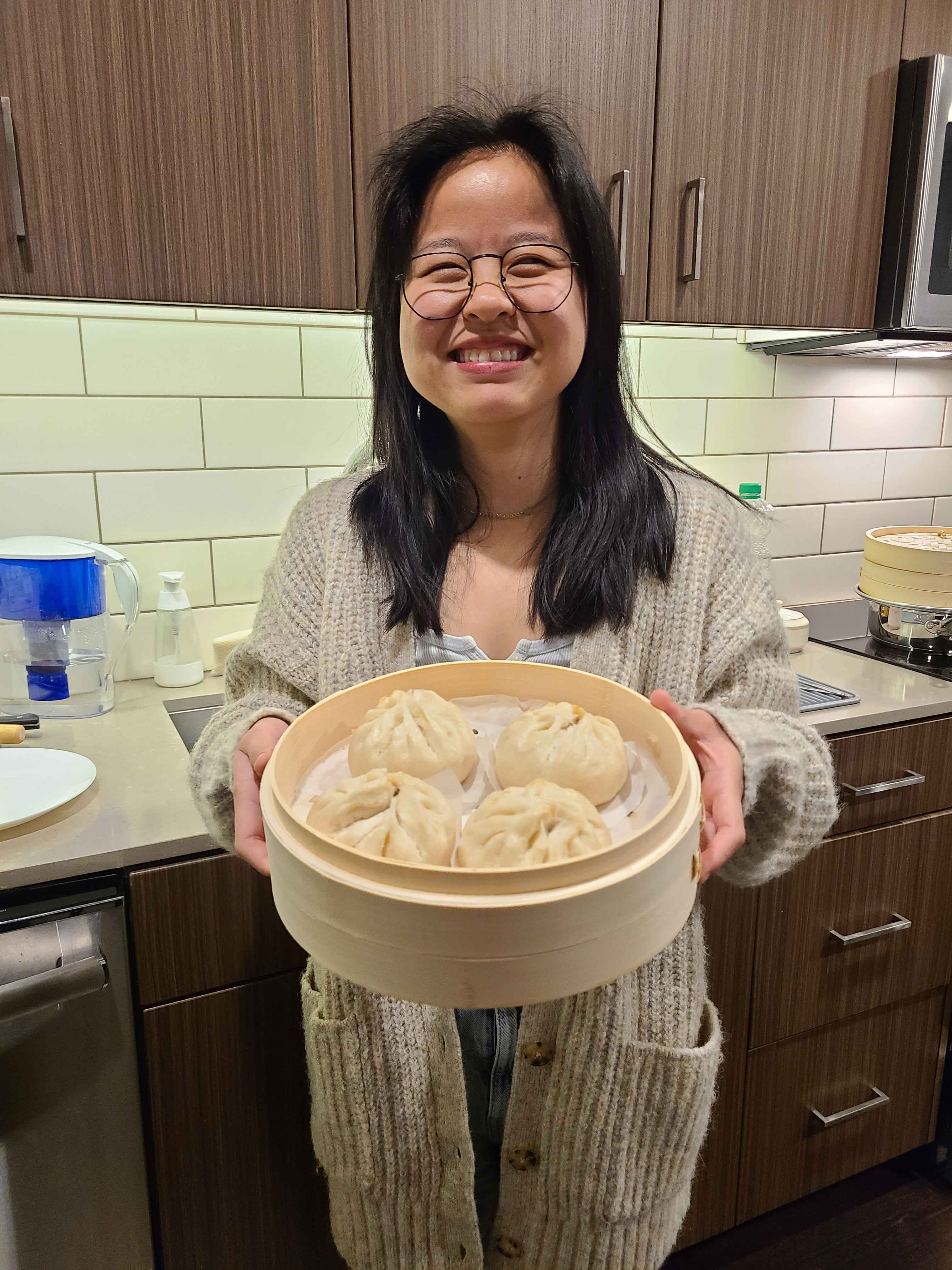
Making steam buns
Wow. Going back to the conversation about media and stuff. When something that's related to Chinese culture becomes mainstream in America, how does that make you feel in terms of pride towards it, or even just awareness around how much other people who are not Chinese responding to it?
I think this is something that I thought was really interesting because I think a year or two ago I like realized how different my perspective of American culture is from other people.
Because I grew up in a very Chinese/Asian emerged environment. And I had a very skewed understanding or perception of how much of a minority Asians are in America. So, I think there was a big moment of a few years back where like Crazy Rich Asians, made it really big.
And then everybody was like, oh my God. People like us on the screen! Or Asian American representation to Hollywood! And I was just like, what? I don't really get it, right? And talking to my friend, a year or two back, I realized it was because I had just grown up just seeing Asians on the screen, right?
I had watched so much Asian TV shows or like movies that this didn't really seem like an issue for me. But, like now that I've moved out to Seattle and I've met more diverse group of people. And I'm watching more American TV shows and movies.
I definitely feel like I understand what they're saying a lot more now. Wow, like this movie or TV show, it's all white people. I'm like, oh yeah, this is America, actually! Most of my friends are Asians. But, it's actually generally not the case. This is not the case that you have so many, so many Asians.
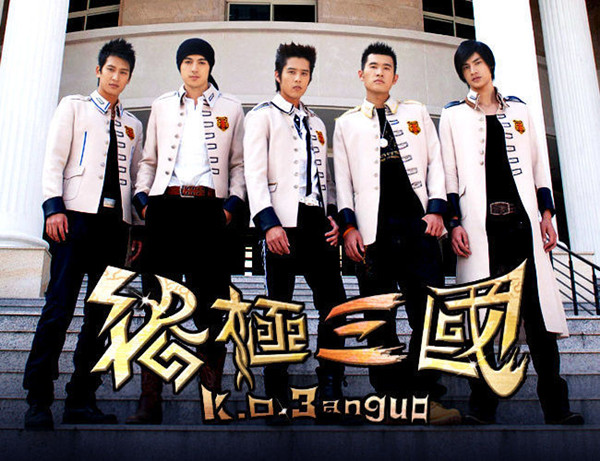
K.O. 3an Guo
So, I guess after you had that revelation, is there an artist, or a figure, or piece of media or something that you would say was very boundary pushing for Chinese representation?
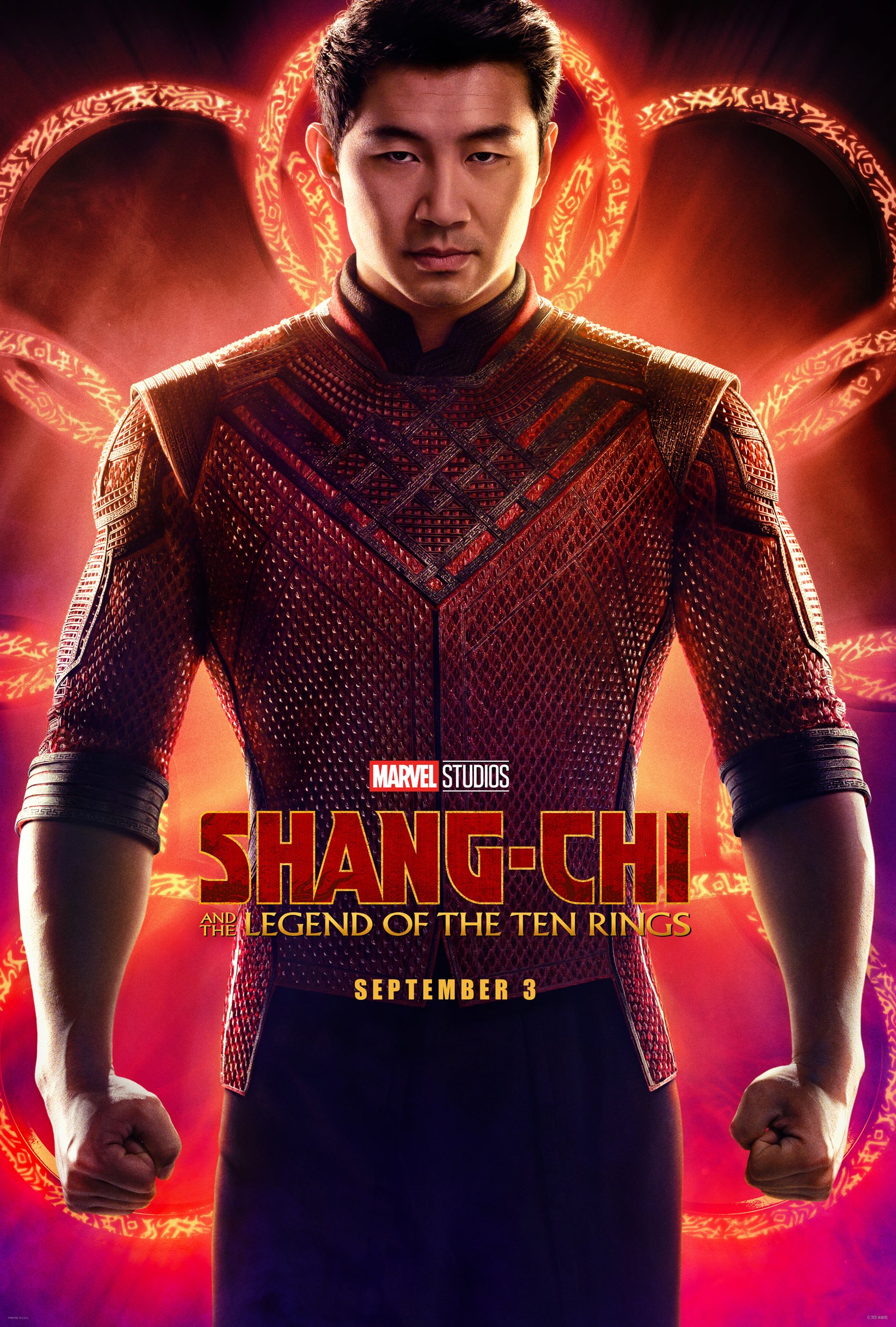
I think recent years probably Shang Chi. Because it's like the only Asian American Marvel hero, and I think that was really like big.
Shang-Chi and the Legend of the Ten Rings
Cool. Yeah. Did you go back to China when you were still a kid? When was the last time that you went back home essentially?
Last time I was home, I did a study abroad in Shanghai, in 2019, I believe. But, I wouldn't call it my home because I spent so little time there. In my hometown, saw my maternal grandma.
But, yeah. Yeah. Wouldn't call it home.
Yeah. I guess what was it like to be there if you recall? Had it been a big gap between 2019 and the previous time you had gone to China?
I don't think there was that big of a gap. I was looking at my pictures and I did go sometime probably in high school. And, I don't remember how it changed, but there might have been a subway system between the time I visited second last. But, the last time I went, I was there for a vacation. And, I guess looked around by myself. My maternal grandparents were old, and some aunts and a cousin who has to work. So, there wasn't really anybody who can like, travel with me or take me around.
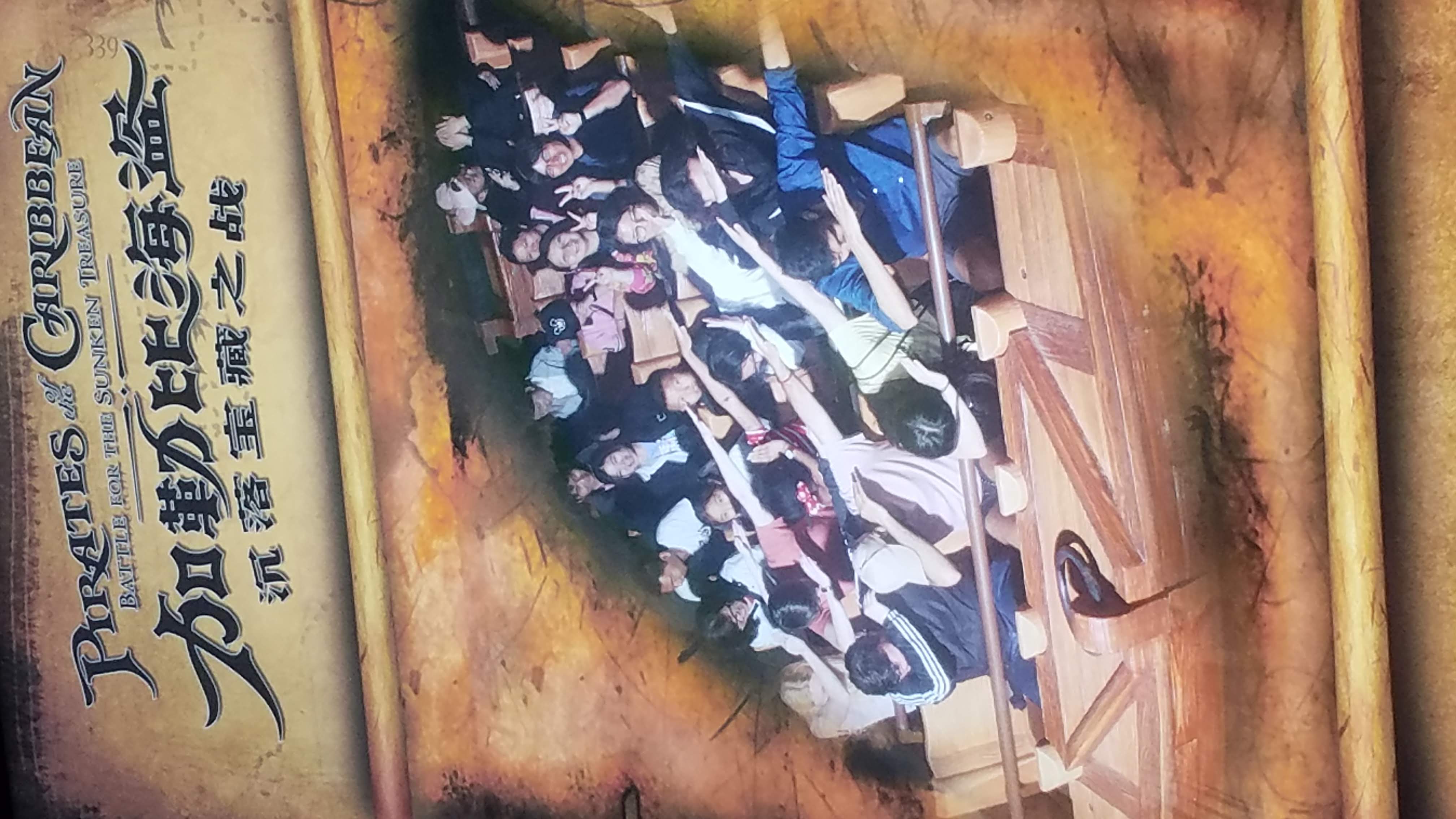
Boying and her friends at Disney Shanghai
And do you have any plans to go like back to China anytime soon?
Not anytime soon. I don't really know many people in China. A lot of times when people go back to China, they have family take them around, or extended family take them around, and I just don't have a lot of that in China.
I could possibly go visit China with a friend. China's really beautiful. There's just so much to see. And, one of my friends is in China right now, and she's sending me photos. And I'm like, wow, it'd be so nice if I could go on a trip in China.
There's no current plans to go to China with any of my friends. And, since I am American citizen now, that will be not as fun as when I was in China last, when I was like a Chinese citizen.
Yeah. Does China not allow for dual citizenship?
China does not recognize dual citizenship. I still have my Chinese passport. I think they would wanna see my green card, but I already gave my green card to the American government. They'll probably take my Chinese passport if I try to go home with my Chinese passport.
That's also why I haven't been back to China yet.
Yeah. Actually India doesn't allow dual citizenship either.
If you had to look back at how your journey with Chinese was evolving over time or how you were balancing it with English, is there anything that you may have wanted to do differently about it?
I feel like definitely at certain points I have felt like I should study Chinese. Learn more vocab. I feel like I should know more. So in NYU Shanghai, I took a business class in Chinese and I learned a bunch of stock market stuff that I am never gonna use.
I don't think I remember most of them. But, I felt like I should use Chinese somehow. Make it be useful for me since this is like my comparative strength. Like I'm really good at Chinese and I'm really good at English, too. And, I also looked at some of my Asian American friends, who were good at Chinese, and they were really a lot better than Chinese than I was.
And, they would read Chinese classical texts or poems. I'd feel like I should read or get better at Chinese. I had a little bit of a desire to be at that level of Chinese. But, since I moved to Seattle, I haven't really been speaking in Chinese to people a lot. And it makes me like a little bit sad.
Just 'cause I like so much of my life was taught in Chinese. I lived a lot of my life in Chinese and it just feels like there's nothing to connect it to anymore. It's like a chunk of my life, just irrelevant. And I don't know how I feel about that right now.
I don't know if I'll aggressively try to seek out people to talk Chinese with. I don't see that right now. And, that's just how it is now.
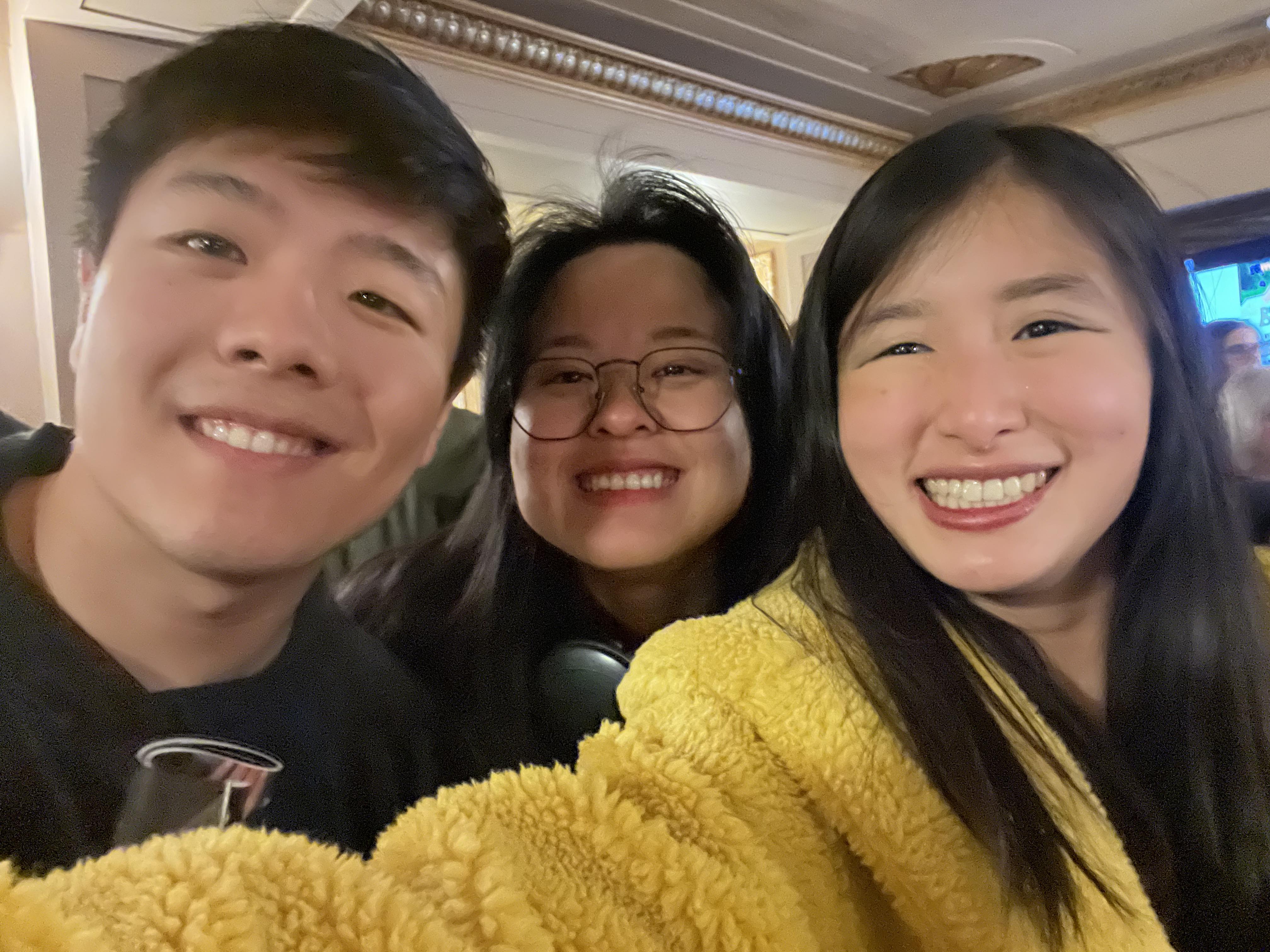
Boying and her Seattle friends
Got it. Do you do you have a favorite word in Chinese
As of yesterday! Because I don't have a favorite word, but I was like, I'm gonna think of one.
There's a word that I find very fun. It's called lei. There's some words in Chinese that go like this. There's a word for wood, and then if you put two woods together, you get like a...what's between wood and forest, I dunno.
But, you get like more woods. And then you put the wood on top and two woods on bottom, and you get a forest, right? So, I find these words fun. I chose the one that had three rocks in it. I don't think it means like a pile of rocks. But, I thought it was really fun.
It's three rocks on top of each other. So, that's my favorite word of the day.
Cool. Yeah, thank you for coming onto the podcast. Do you have anything else you'd like to mention or plug?
No, thank you for having me.